



Beuford Smith


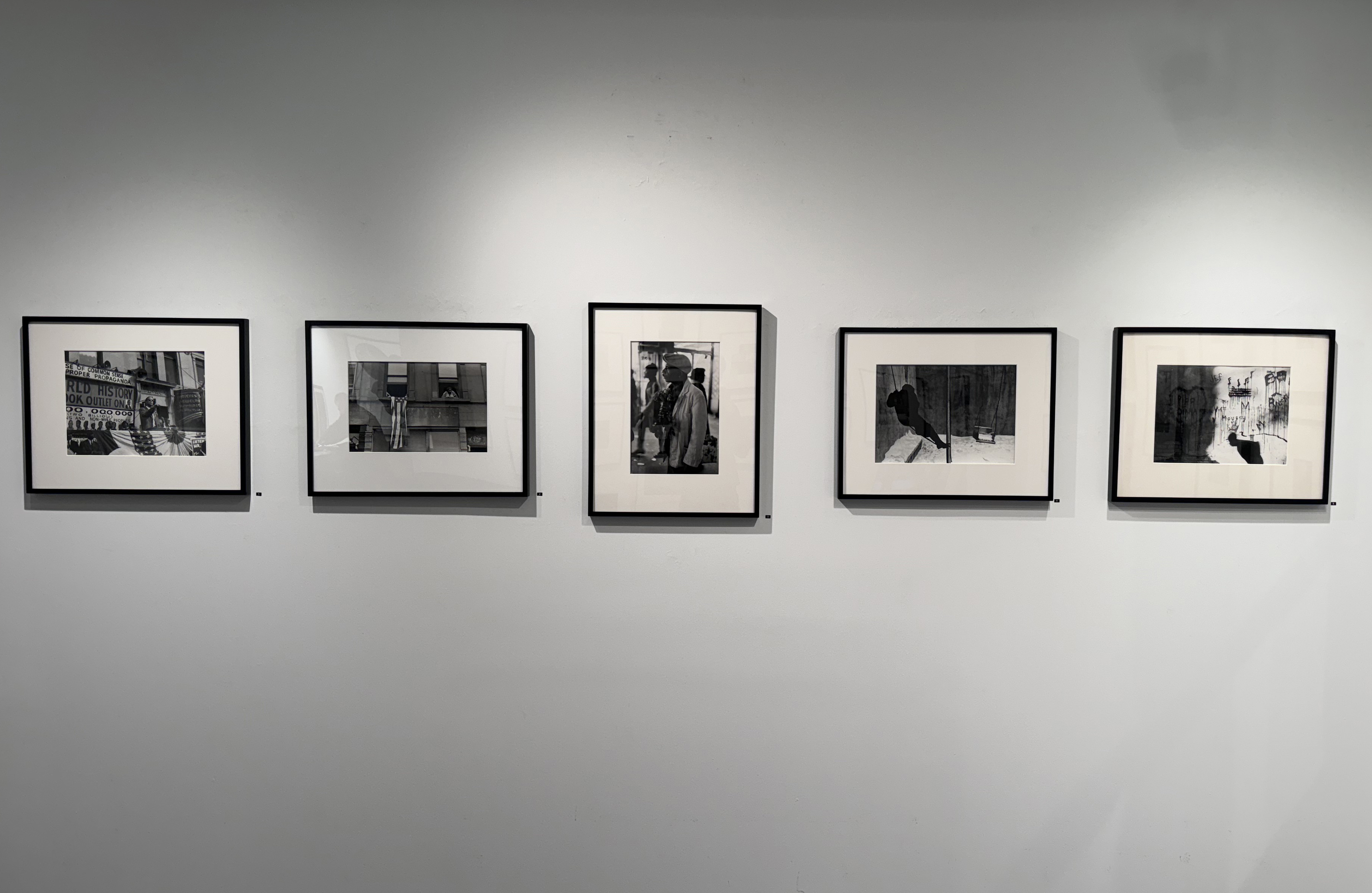
1. Beuford Smith (American, 1936 – 2025) Malcom X, Harlem, 1964

2. Beuford Smith (American, 1936 – 2025), Flag Day, Harlem, 1976

3. Beuford Smith (American, 1936 – 2025), Man with Roses, Harlem, 1968

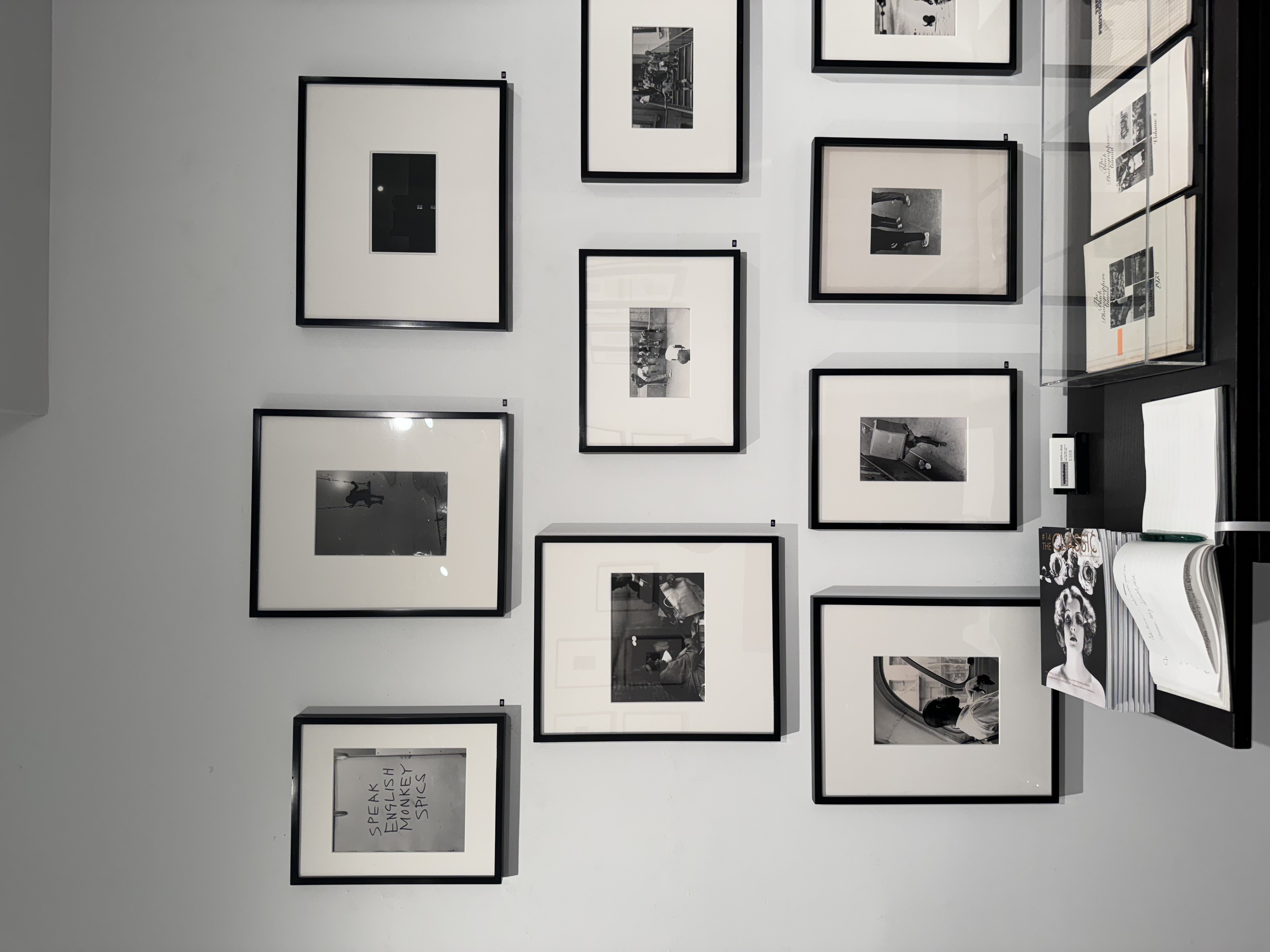
4. Beuford Smith (American, 1936 – 2025), Boy on Swing, Lower East Side, 1970

5. Beuford Smith (American, 1936 – 2025), Wall, Lower East Side, 1972

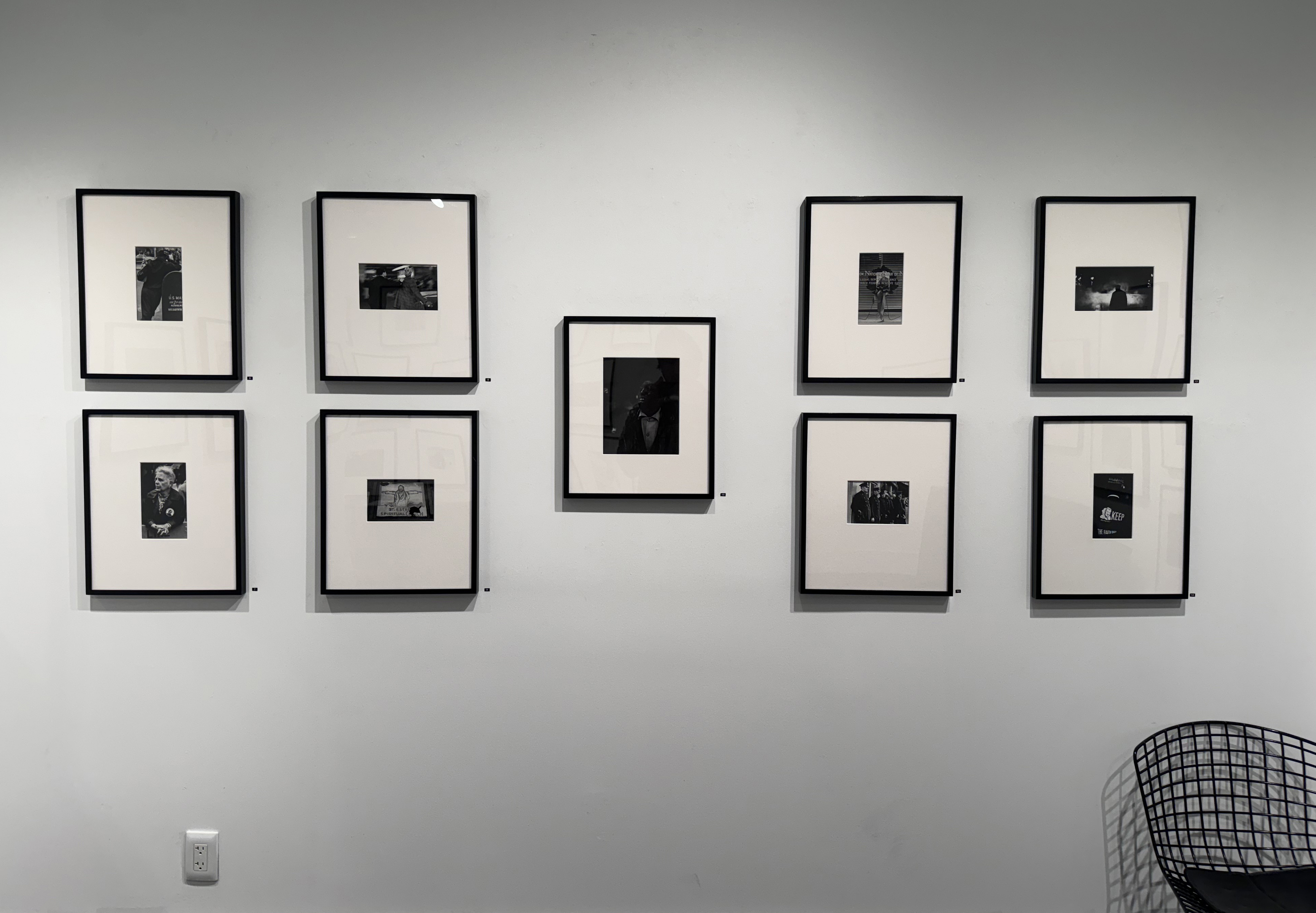
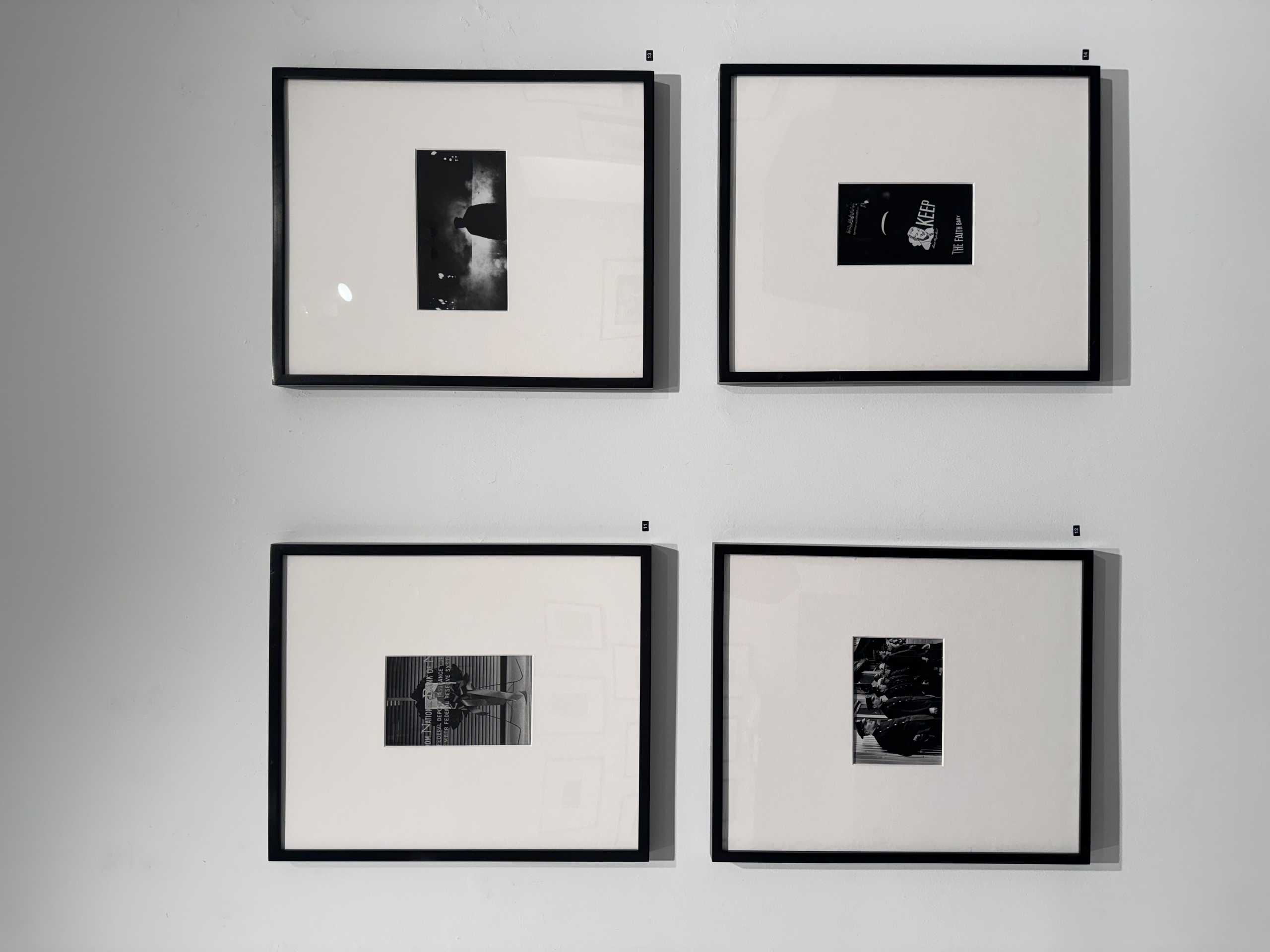
6. Beuford Smith (American, 1936 – 2025), The Day After Dr. Martin Luther King Jr. was Assassinated, NYC, 1968

7. Beuford Smith (American, 1936 – 2025), The Day After Dr. Martin Luther King Jr. was Assassinated, NYC, 1968

8. Beuford Smith (American, 1936 – 2025), The Day After Dr. Martin Luther King Jr. was Assassinated, NYC, 1968

9. Beuford Smith (American, 1936 – 2025), The Day After Dr. Martin Luther King Jr. was Assassinated, NYC, 1968

10. Beuford Smith (American, 1936 – 2025), The Day After Dr. Martin Luther King Jr. was Assassinated, NYC, 1968

11. Beuford Smith (American, 1936 – 2025), The Day After Dr. Martin Luther King Jr. was Assassinated, NYC, 1968

12. Beuford Smith (American, 1936 – 2025), The Day After Dr. Martin Luther King Jr. was Assassinated, NYC, 1968

13. Beuford Smith (American, 1936 – 2025), The Day After Dr. Martin Luther King Jr. was Assassinated, NYC, 1968

14. Beuford Smith (American, 1936 – 2025), The Day After Dr. Martin Luther King Jr. was Assassinated, NYC, 1968

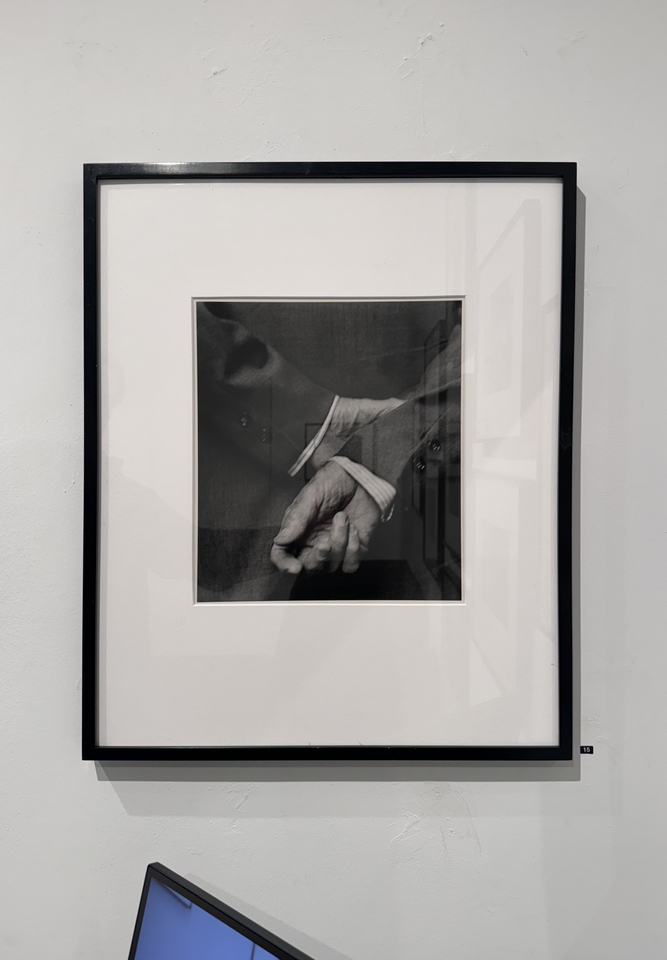
15. Beuford Smith (American, 1936 – 2025), Four Buttons, 1972

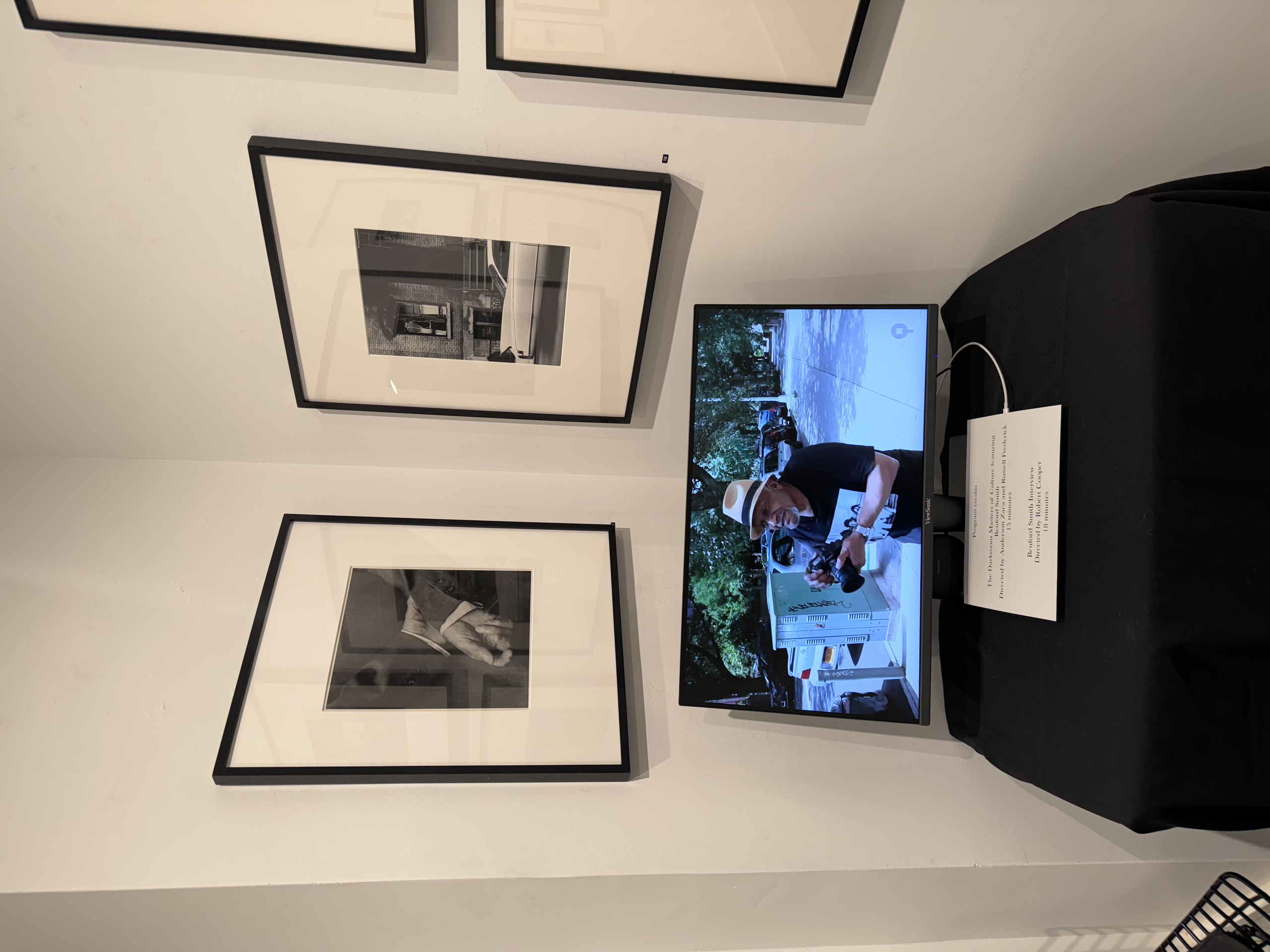
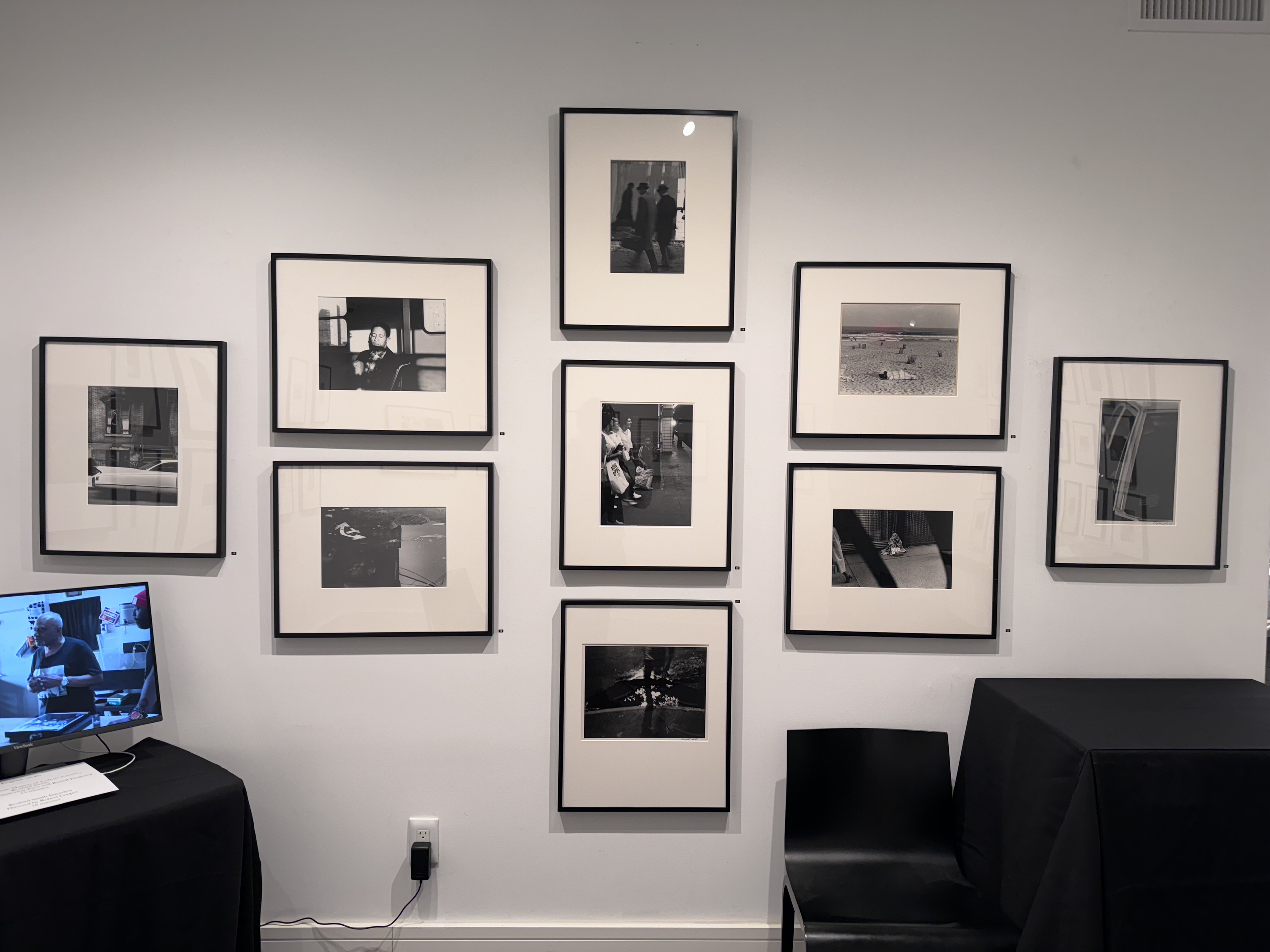
16. Beuford Smith (American, 1936 – 2025), Cadillac, c. 1960s

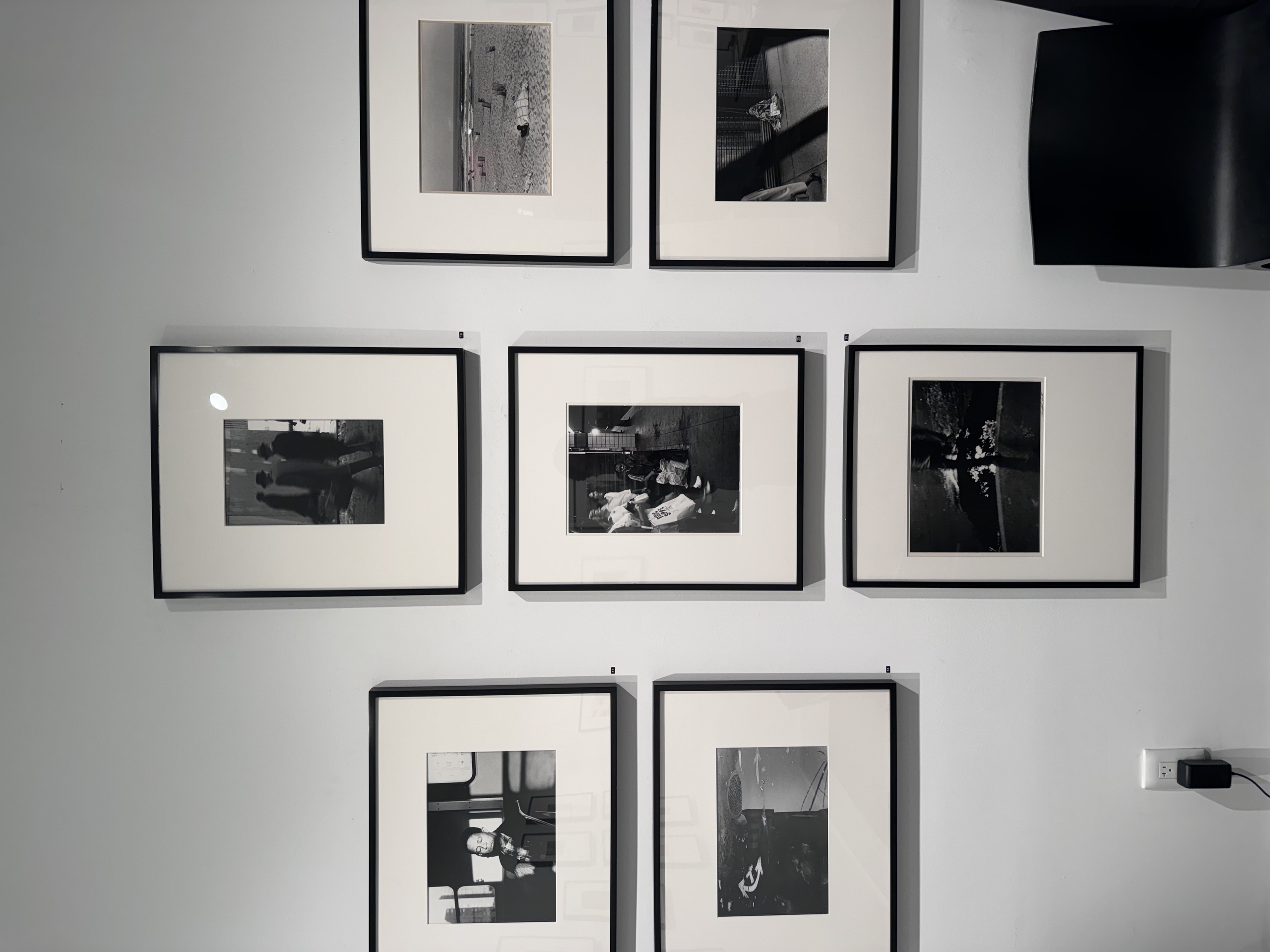
17. Beuford Smith (American, 1936 – 2025), Man on Subway Train, NYC, 1971

18. Beuford Smith (American, 1936 – 2025), Arrow, Brooklyn, 1970

19. Beuford Smith (American, 1936 – 2025), Business Men, Wall St. NYC, 1969

20. Beuford Smith (American, 1936 – 2025), Untitled, 1985

21. Beuford Smith (American, 1936 – 2025), Untitled, c. 1970

22. Beuford Smith (American, 1936 – 2025), Couple on Beach, c. 1970

23. Beuford Smith (American, 1936 – 2025), Untitled, c. 1970

24. Beuford Smith (American, 1936 – 2025), Policeman Bed Stuy, Brooklyn, 1969

25. Beuford Smith (American, 1936 – 2025), Two Bass Hit, 1972

26. Beuford Smith (American, 1936 – 2025), Subway Train Graffiti, 1969

27. Beuford Smith (American, 1936 – 2025), Spanish Harlem - 116th Street Market, 1968

28. Beuford Smith (American, 1936 – 2025), Boy on Bus, Harlem, 1965

29. Beuford Smith (American, 1936 – 2025), East 12th Street Park, NYC, (Boy on Swing), 1968

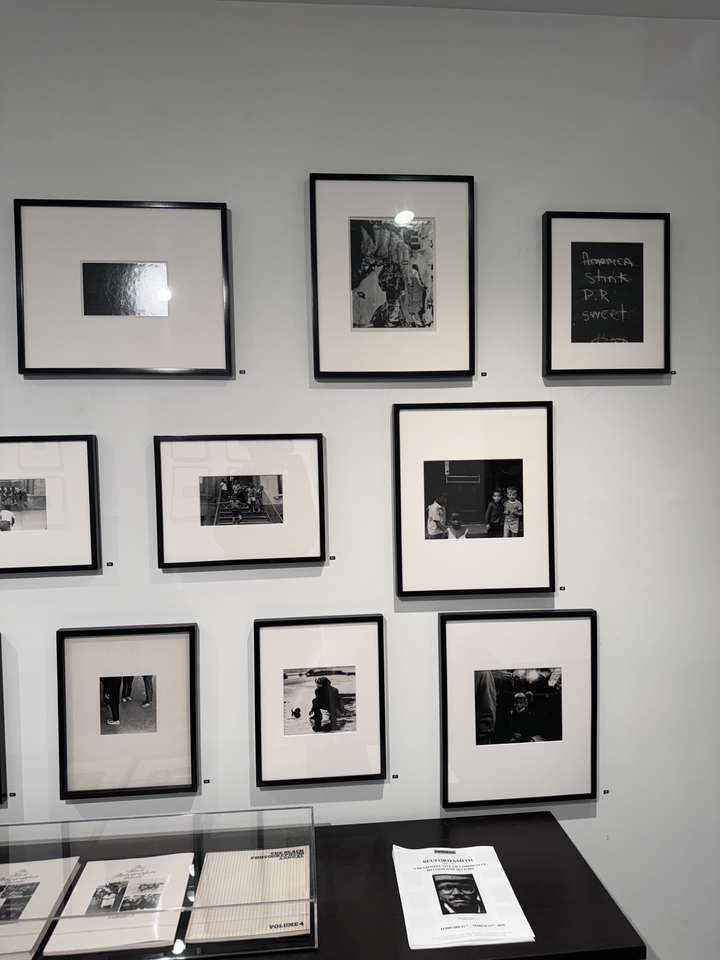
30. Beuford Smith (American, 1936 – 2025), Boys Playing Game, c. 1970

31. Beuford Smith (American, 1936 – 2025), Untitled, c. 1960s

32. Beuford Smith (American, 1936 – 2025), Window Series #1, 1978

33. Beuford Smith (American, 1936 – 2025), Boys with Guns, Harlem, 1966

34. Beuford Smith (American, 1936 – 2025), 125th Street, c.1970

35. Beuford Smith (American, 1936 – 2025), Untitled, Harlem, c. 1970

36. Beuford Smith (American, 1936 – 2025), 4 Children in Spanish Harlem, 1965

37. Beuford Smith (American, 1936 – 2025), Child with Reflection, Harlem, 1965

38. Beuford Smith (American, 1936 – 2025), Graffiti, c. 1970

39. Beuford Smith (American, 1936 – 2025), Palm Sunday, 1968
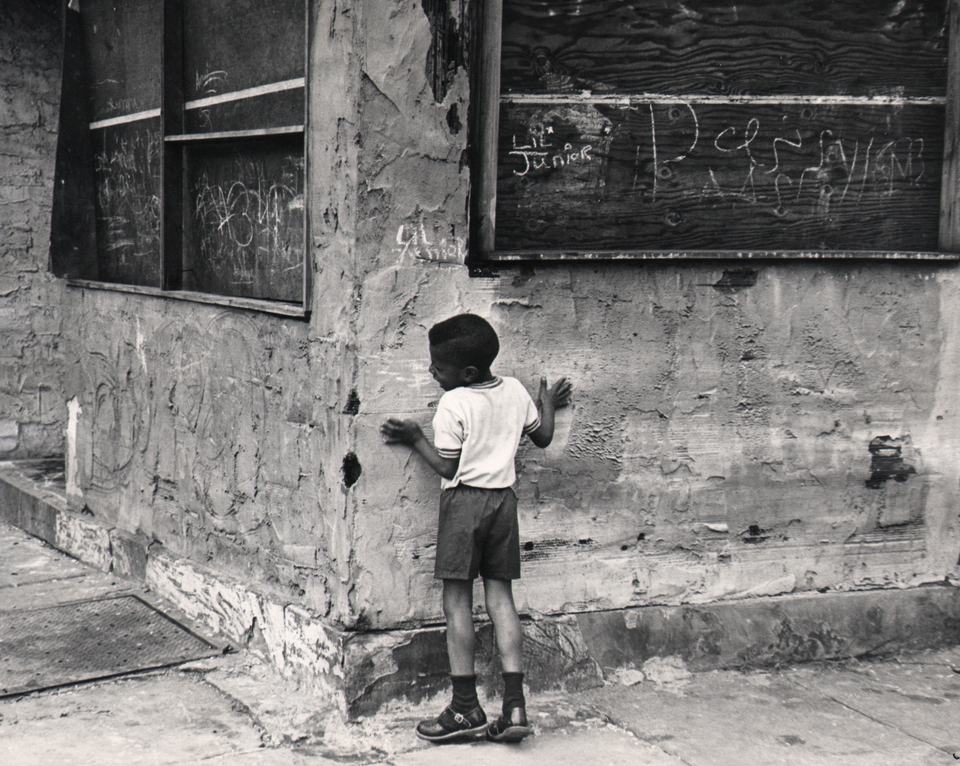
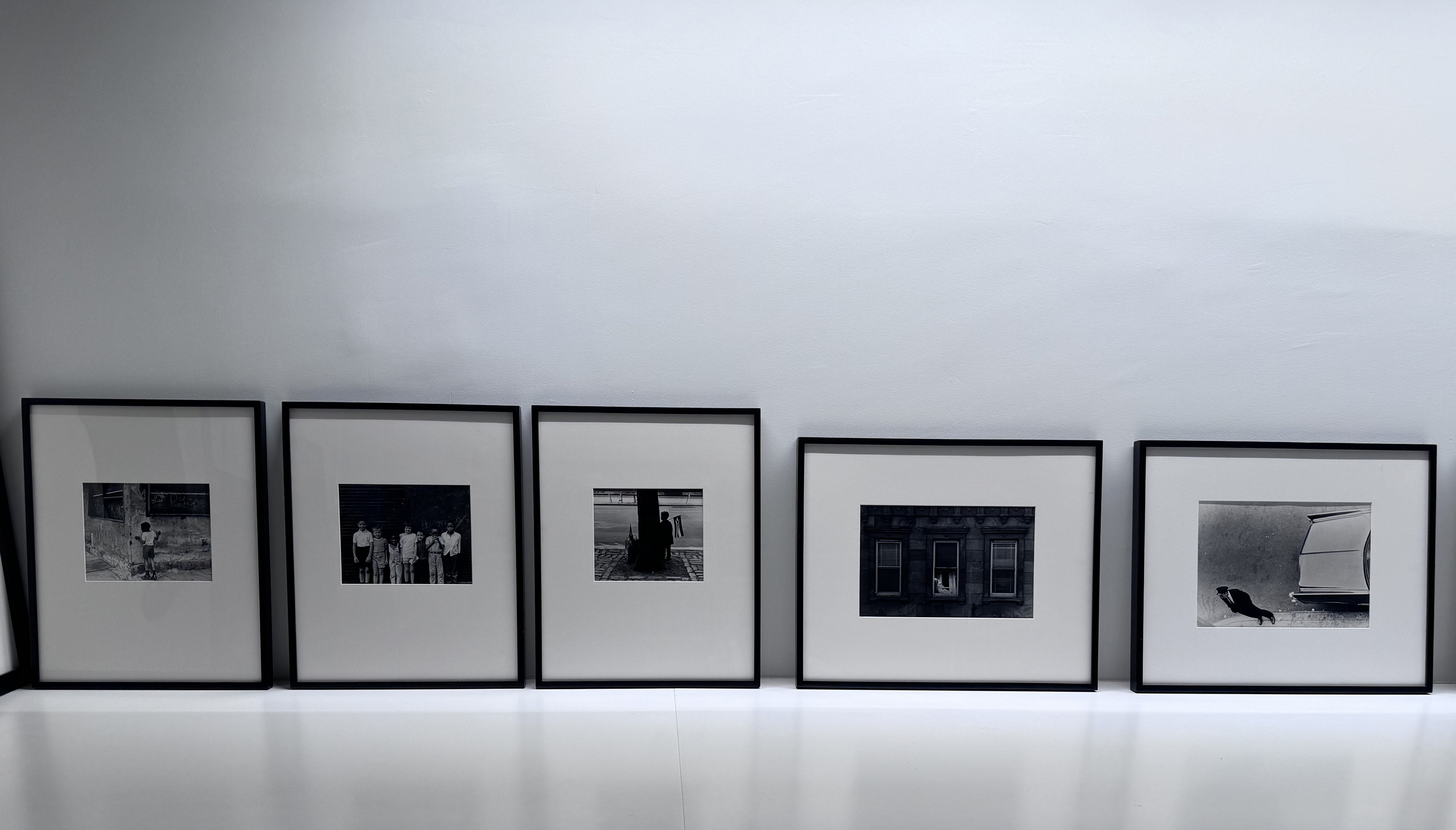
1b. Beuford Smith (American, 1936 – 2025), Playing ‘Hide and Seek’, 1968
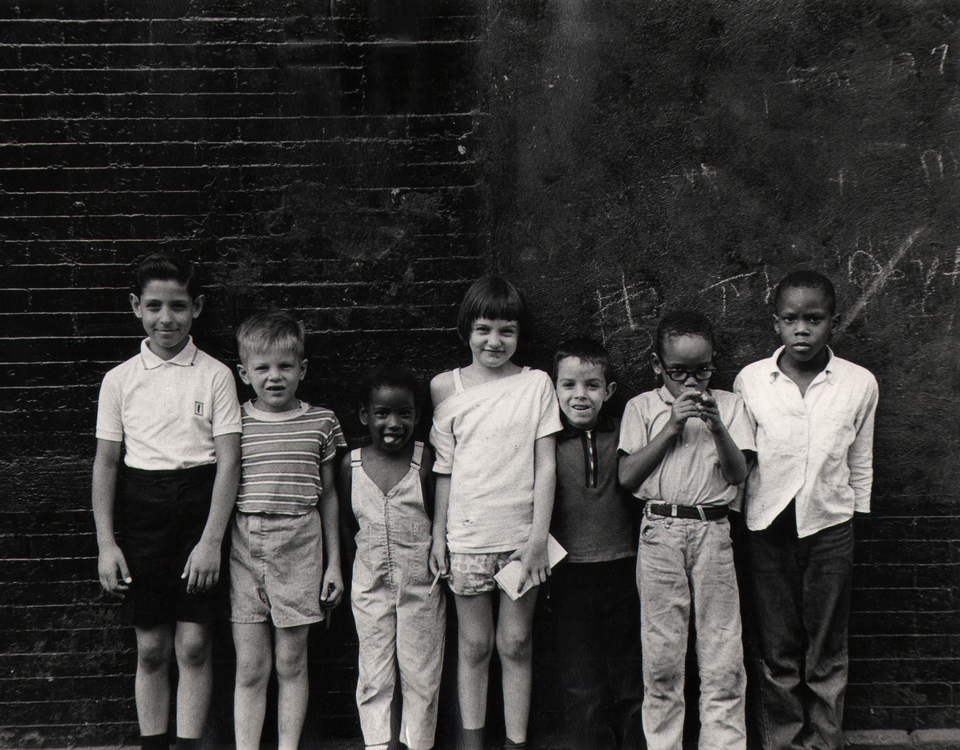
2b. Beuford Smith (American, 1936 – 2025), 7 Kids, Lower East Side, 1965
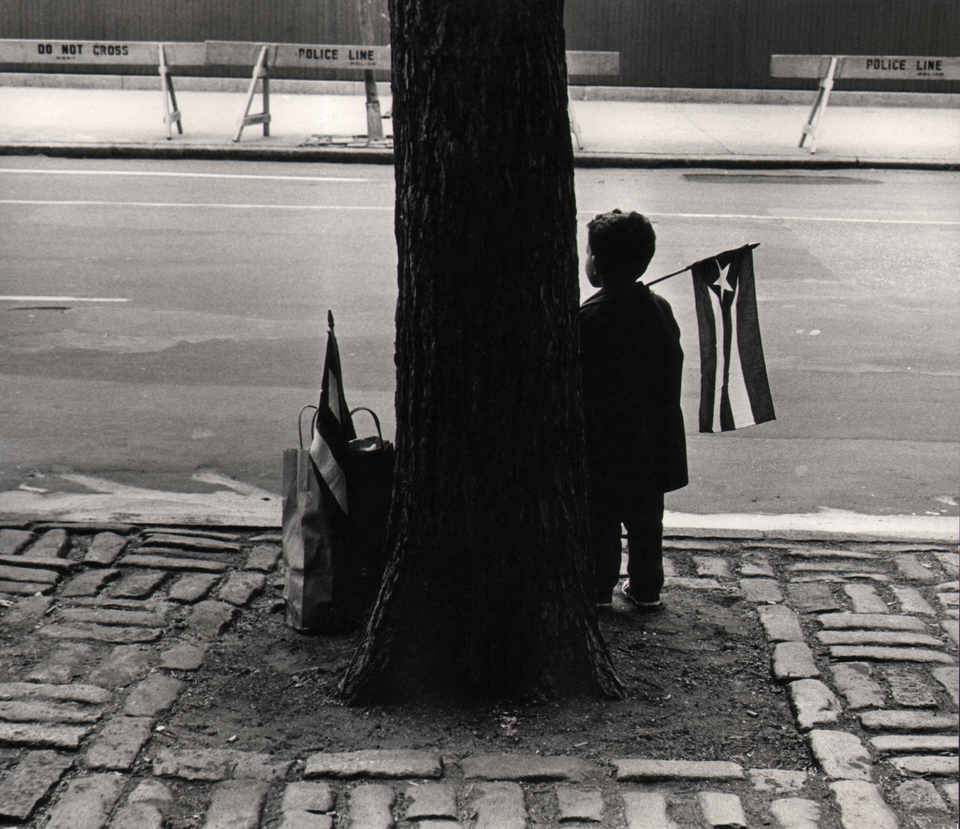
3b. Beuford Smith (American, 1936 – 2025), Boy Holding Flag, 1966
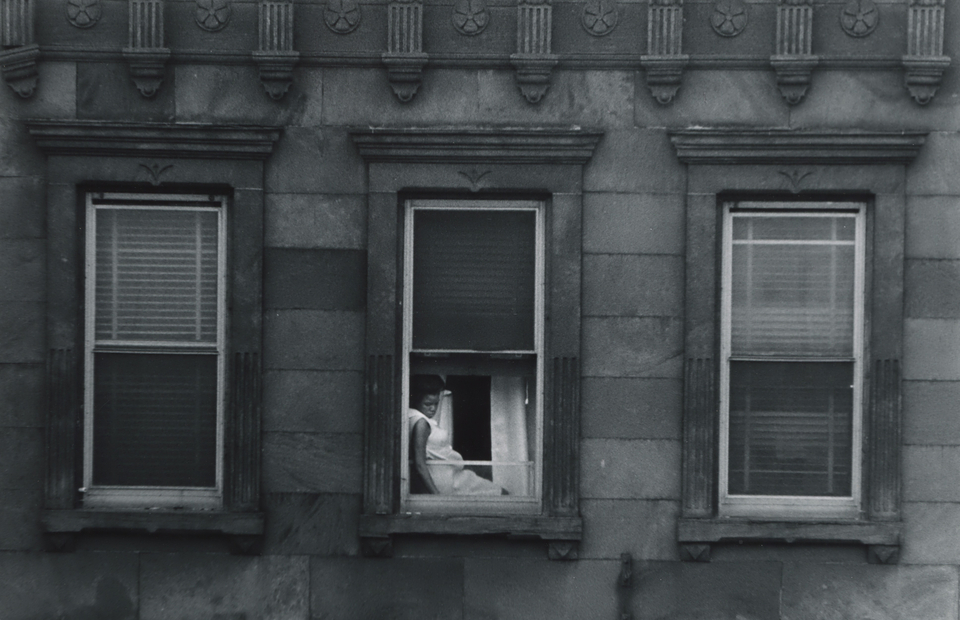
4b. Beuford Smith (American, 1936 – 2025), Woman in Window, Brooklyn, NY, 1969
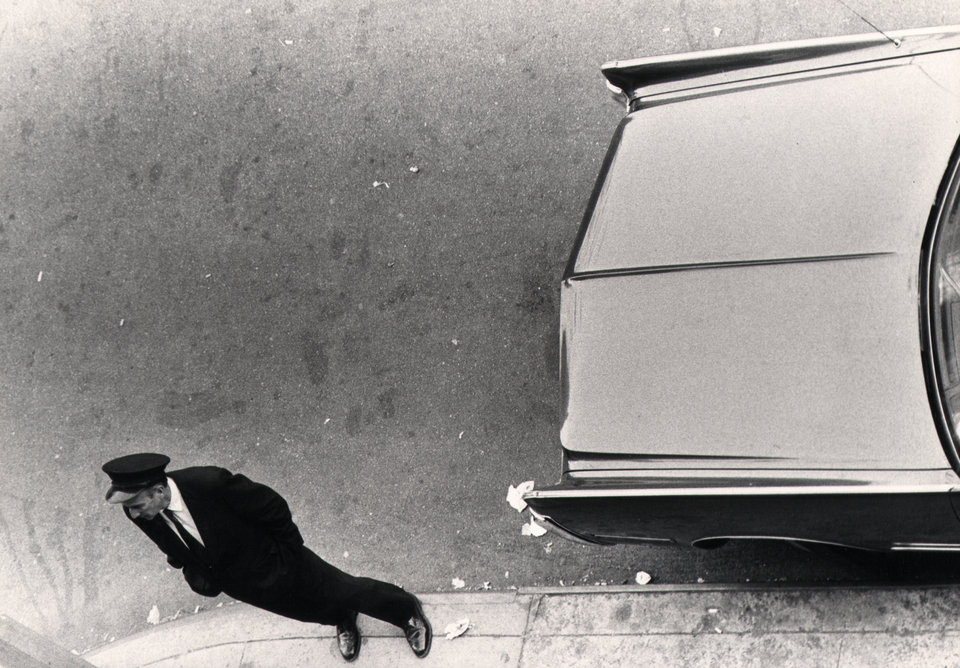
5b. Beuford Smith (American, 1936 – 2025), Chauffeur
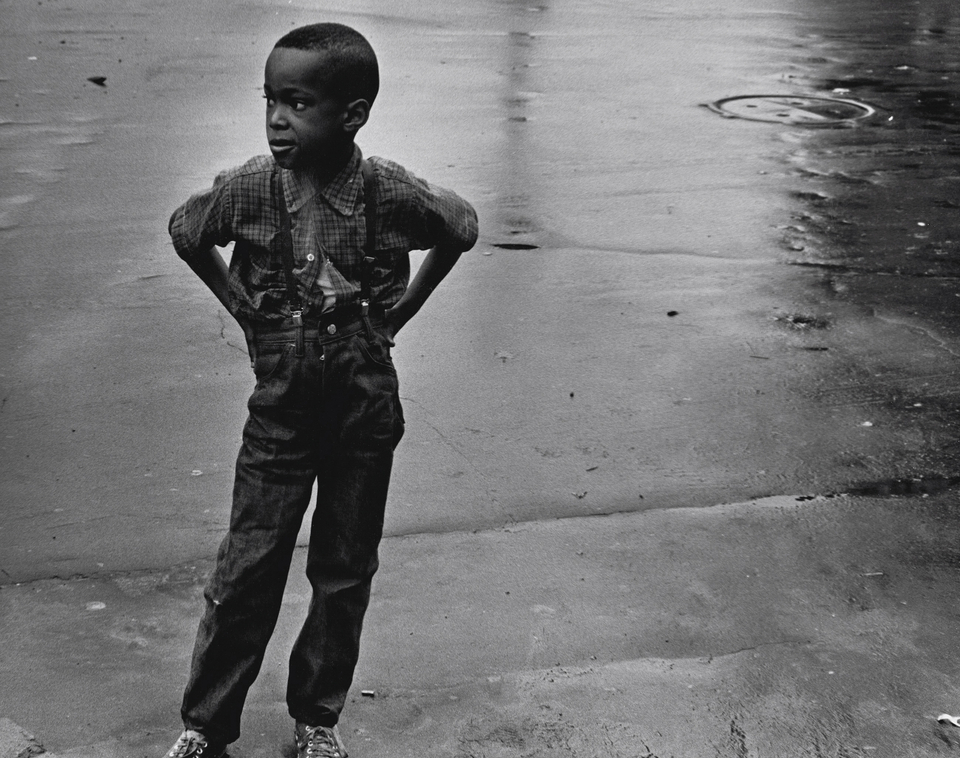
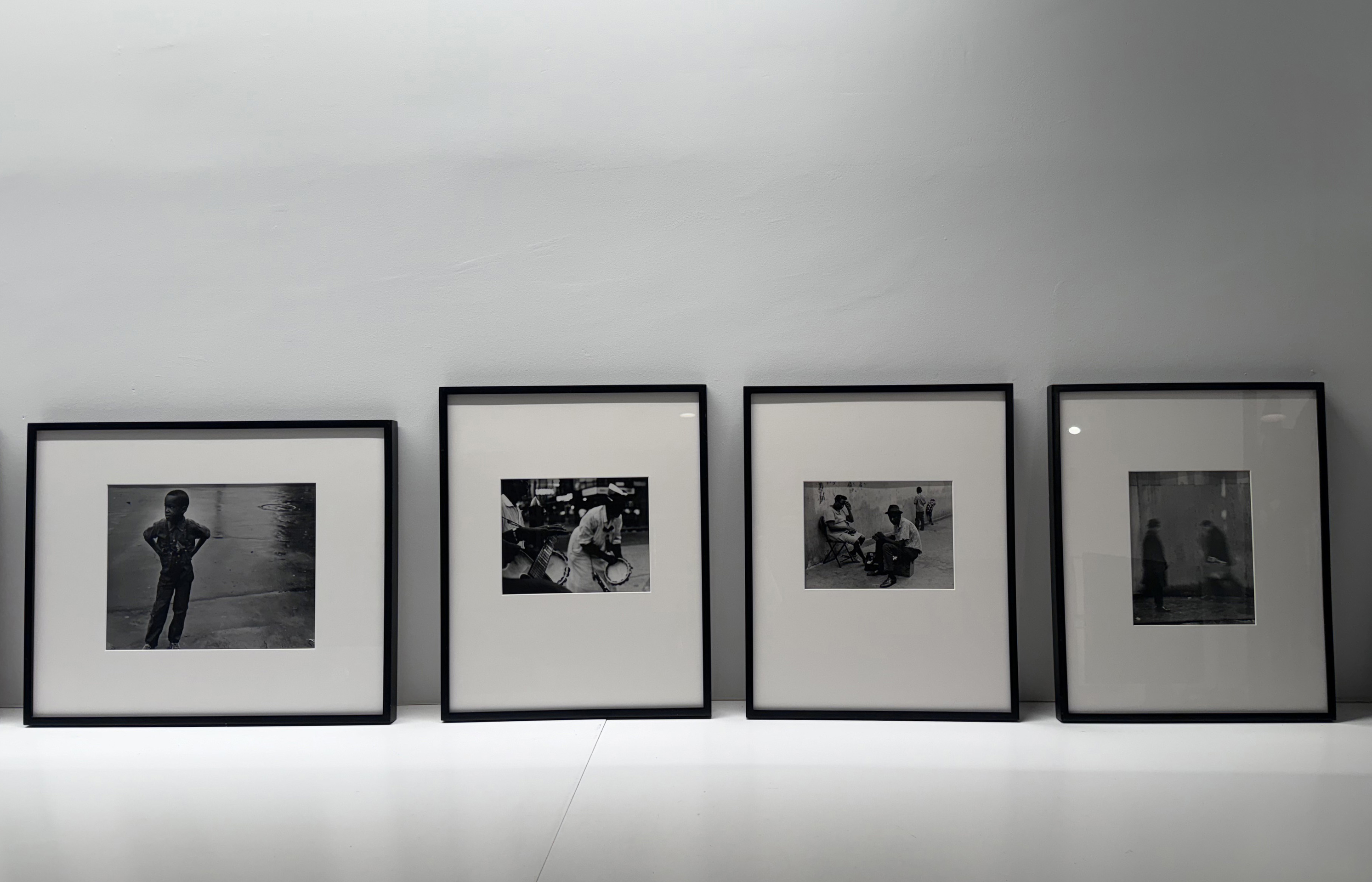
6b. Beuford Smith (American, 1936 – 2025), Boy in Street, Brooklyn, 1969
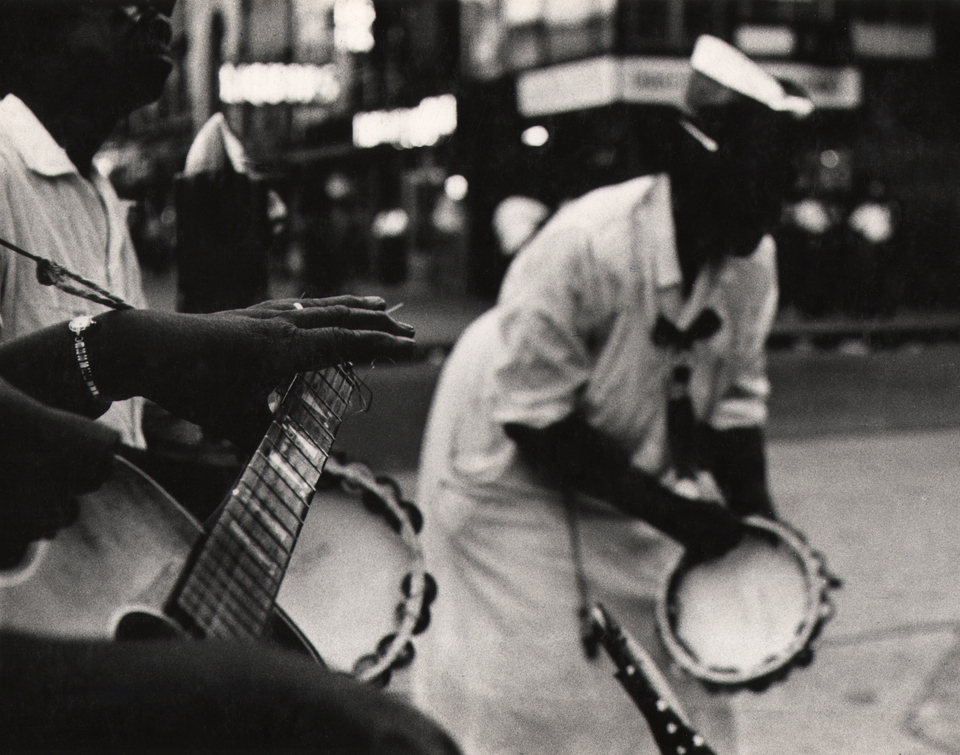
7b. Beuford Smith (American, 1936 – 2025), Sunday in Harlem, 1968
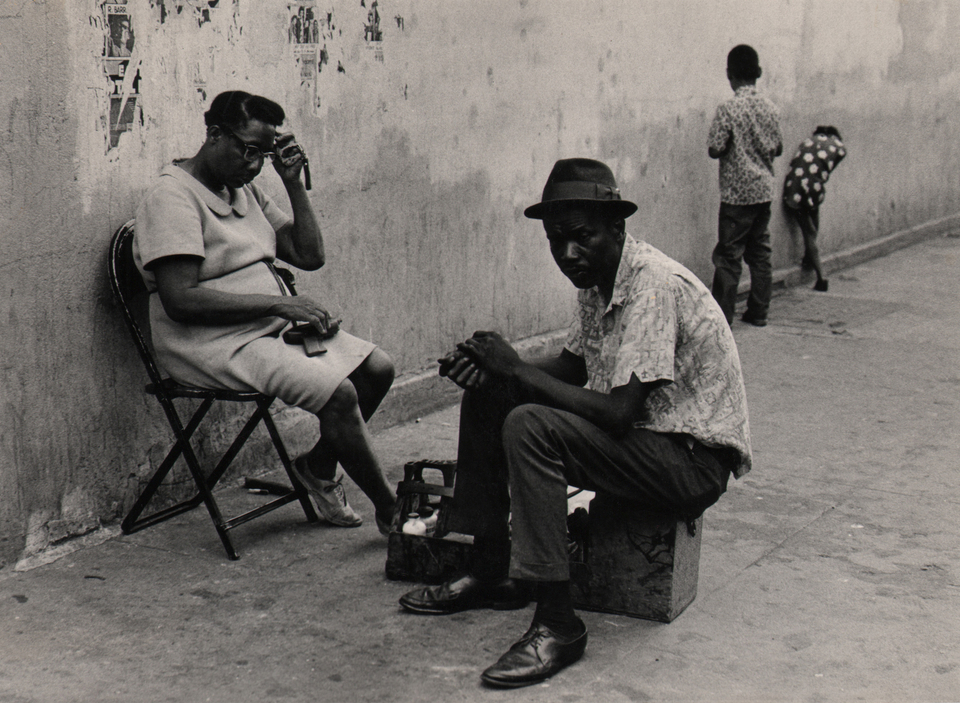
8b. Beuford Smith (American, 1936 – 2025), Untitled, Lower East Side, 1970
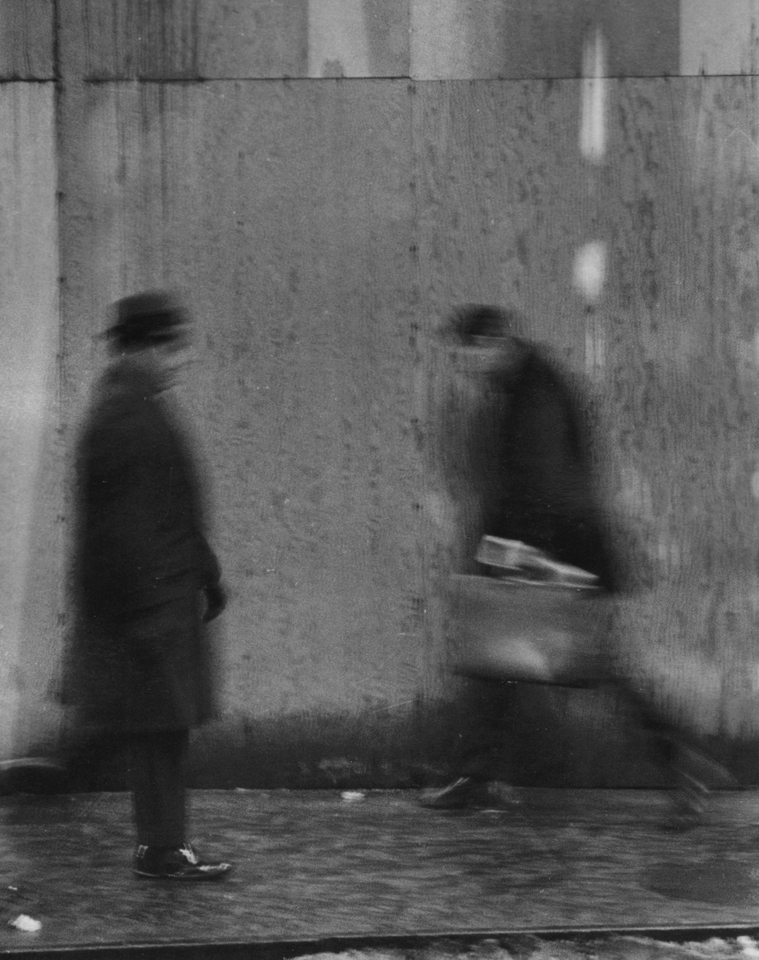
9b. Beuford Smith (American, 1936 – 2025), Wall Street, 1969


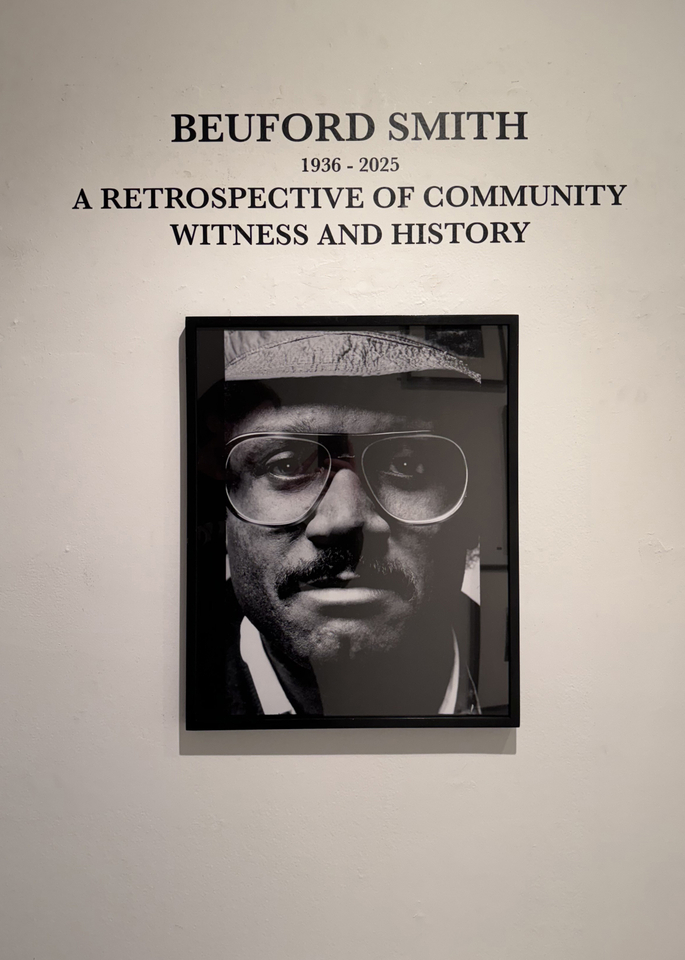
Beuford Smith: A Retrospective of Community, Witness, and History
February 11-April 16, 2026
A powerful retrospective exhibition of photographs by acclaimed African American photographer Beuford Smith will present an intimate and historic portrait of African American life, community, and resilience. Spanning decades of work, the exhibition brings together Smith’s enduring images of everyday life alongside his extraordinary photographic reportage captured on the streets of Harlem on the day of Dr. Martin Luther King Jr.’s assassination.
Rooted in trust, proximity, and deep cultural knowledge, Beuford Smith’s photographs chronicle the lived experiences of African Americans with uncommon dignity and emotional clarity. His work moves fluidly between the ordinary and the historic—family gatherings, street scenes, moments of joy and struggle—revealing a community seen from within rather than observed from a distance.
At the heart of the exhibition is a rare and moving series taken on April 4, 1968, as news of Dr. King’s assassination reverberated through Harlem. Smith’s camera bears witness to the raw emotions of that day—grief, anger, disbelief, and solidarity—capturing a community in collective mourning and reflection. These images stand as both historical documents and deeply human records of a pivotal moment in American history.
Together, the retrospective underscores Smith’s role not only as an artist, but as a visual historian whose work preserves memory, affirms identity, and confronts injustice through presence and truth. His photographs remind viewers that history is lived on the streets, in faces, and in shared moments of reckoning.
I first met with Beuford Smith in the early 2010s. At that meeting in his Brooklyn Heights Victorian townhouse, I bought his pictures liberally; he was a natural-born artist/photographer with an eye that made his photographs a pleasure to look at. You could say without question that he was fluent in the language of photography. It’s unlikely Beuford was ever without his camera, his most potent means of communication. Photography was his métier, and he served a multitude of roles within it: group organizer, curator, publisher, educator, editor, and one-man picture agency, and he excelled at all of them. His practice seemed limitless, mining the depths of reality and truth while equally adept at abstract-figural photography, which, in my opinion, is some of his best work. His most inspired and original pictures are filled with mystery and joy, and are a perfect counterpoint to his decisive moments taken on the streets of Brooklyn, Harlem, Coney Island, Times Square, and wherever his inner-city wanderings took him.
On April 4, 1968, the unimaginable collided with the seemingly inevitable when Martin Luther King, Jr. was assassinated in Memphis, Tennessee. One can imagine a young Beuford Smith, an African American who was part of the Great Migration to the North, struck by the history and emotions of the moment. He grabbed his camera and set out for the streets of Harlem to memorialize and process the profound sadness he was experiencing by capturing the sights, sounds, and electric energy in the air on that sad day. The resulting set of 9 humble yet powerful images that Beuford chose to represent that day in American history stands as the only cohesive set of photographs produced by an African American photographer of a community and country on the first day of mourning for the great civil rights leader.
Beuford was, for me, a central figure in a larger project to acquire and exhibit work by the underappreciated African American photography community, active beginning in the 1960s in local New York neighborhoods and across America and beyond. Beuford was central to this movement, a kind of lynchpin crucial for such an undertaking. His role in organizing the black photography collective Kamoinge and publishing the Black Photographers Annual positioned him as someone of immense importance to me to facilitate this endeavor. Discovering the Annual was a revelation for me and one of Beuford’s greatest contributions to the history and culture of African American Art Photography in the 20th century.
Some of my first exhibitions of African American artists included, in addition to Beuford, the work of Anthony Barboza, Mikki Ferrill, Shawn Walker, Chester Higgins Jr., Leroy Henderson, Chuck Stewart, and Al Smith. We later exhibited works by Jeanne Moutoussamy-Ashe, Coreen Simpson, Ozier Muhammad, and Ming Smith. Museums were eager to acquire works by these artists, including the National Gallery of Art, the Art Institute of Chicago, the Baltimore Museum of Art, the Detroit Institute of Arts Museum, the Metropolitan Museum of Art, the Philadelphia Art Museum, the Museum of Fine Arts, Houston, the Virginia Museum of Fine Arts, the Carnegie Museum of Art and others too numerous to mention.
Beuford Smith was easy to be friends with; he had a winning personality and was a loyal and thoughtful partner in the exhibitions we presented. He was generous with his knowledge and contacts, happy to assist in any way to promote his colleagues and fellow artists. The timing of expanding the galleries program to include minority artists that had been somewhat marginalized and were now fresh to the market was fortuitous. Meeting all these wonderful and gifted visionaries was a gift in itself, and I will always be grateful to Beuford for enabling me to do so.
-Keith de Lellis, January 2026